
In today’s fast-paced digital landscape, acronyms and slang words pop up like mushrooms after rain. One term that has caught the attention of many is WYLL, but what does it really mean? As social media evolves, so too do the ways we communicate. Understanding these terms can feel like cracking a code—especially for parents trying to keep up with their teens. Join us as we delve into the intriguing world of WYLL meaning, its origins, and how it’s shaping conversations online. Whether you’re a seasoned internet user or just curious about this latest trend, there’s plenty to explore!
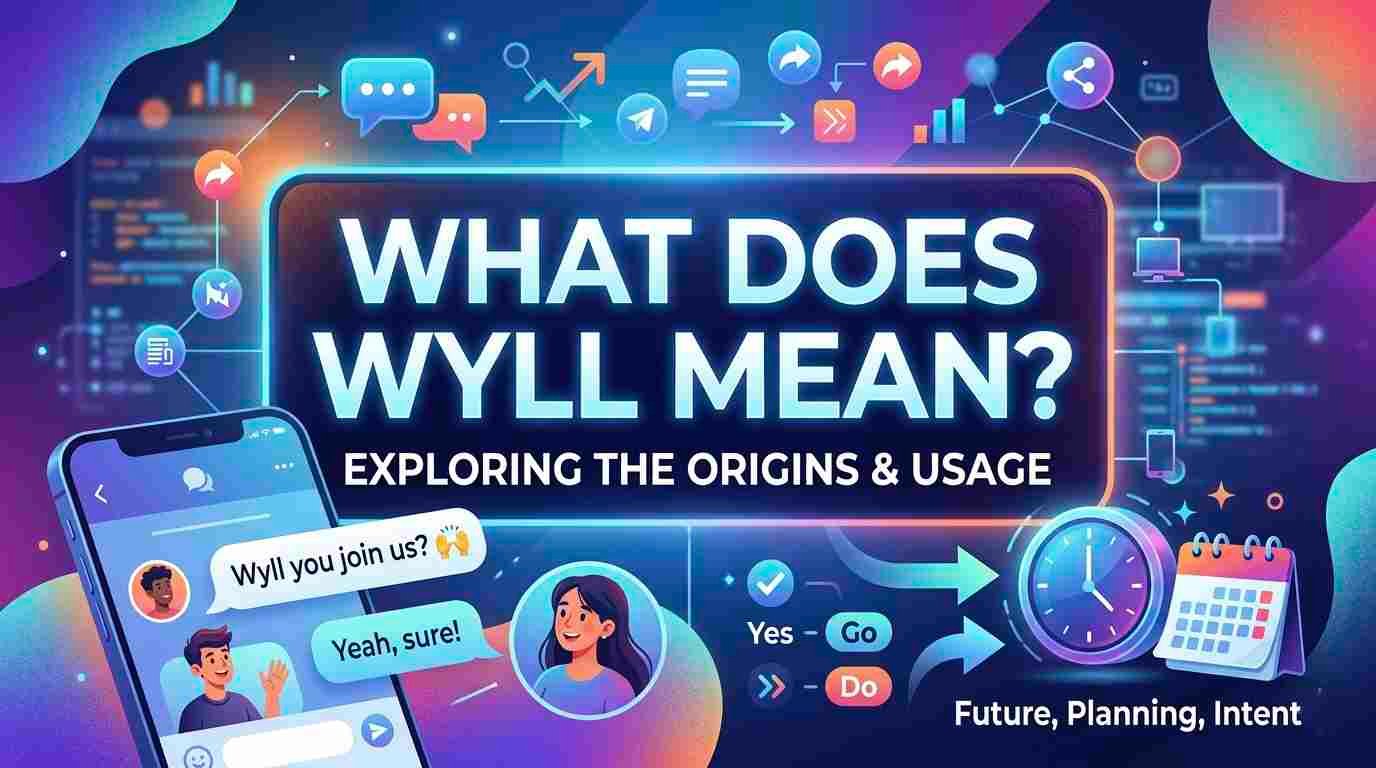
What Does WYLL Mean? Exploring the Origins and Usage
WYLL stands for “What You Lookin’ Like?” It’s often used to ask someone how they’re doing or what they’re up to. This casual phrase has become a staple in online chats.
Introduction
Slang evolves rapidly, often leaving parents and non-teens puzzled. One term gaining traction is WYLL. Let’s dive into its meaning, origins, and how it’s shaping conversations today.
What Does WYLL Mean?
WYLL stands for “What You Looking Like?” It’s a casual way to ask someone how they are doing or what they’re up to. This trendy acronym sparks curiosity and engages conversations.
Examples of WYLL
WYLL can be used in various contexts. For instance, “If you want to chill later, WYLL?” or “I’m free after school; just let me know WYLL!” It’s casual and friendly.
Origin and Popularity
WYLL emerged from online communities, particularly among younger generations. Its popularity surged on platforms like TikTok and Twitter, reflecting a shift toward conversational abbreviations in digital communication.
Choppelganger
Choppelganger refers to someone who looks like a friend or acquaintance. It’s a playful twist on the word “doppelgänger,” capturing that uncanny feeling of spotting your lookalike in everyday life.
Girlypop
“Girlypop” refers to a playful, feminine aesthetic often celebrated in online spaces. It embraces fun, confidence, and self-expression, resonating with those who enjoy vibrant fashion and bubbly personalities.
Hold the L
“Hold the L” means to accept a loss or defeat gracefully. It’s often used in playful banter among friends, reminding someone not to dwell on their misfortunes too long.
Pookie
Pookie is a term of endearment often used among friends or couples. It conveys affection and warmth, typically showcasing closeness between the people involved in the conversation.
Pressed
Pressed refers to feeling anxious or stressed out over a situation. It can describe someone who’s overwhelmed, often used humorously among friends when discussing minor frustrations in life.
Stonks
“Stonks” is an internet meme that humorously represents the stock market. It often features a character with a simplistic face, symbolizing foolish or overly optimistic financial decisions.
Uncanny Valley
The “Uncanny Valley” describes the eerie feeling when humanoid robots or digital avatars appear almost human but still seem off. This concept raises questions about our emotional responses to artificial beings.
Womp Womp
“Womp womp” expresses disappointment or a letdown. It’s often used humorously to lighten the mood after something doesn’t go as planned, adding a playful twist to everyday situations.
Abrosexual
Abrosexual refers to someone whose sexual orientation is fluid, changing over time. They may feel attraction to different genders or identities at various periods in their life, embracing diversity in love.
Agentic
Agentic describes a person who takes charge of their life, exhibiting self-directed behavior. It emphasizes empowerment and autonomy in decision-making, showcasing the ability to influence outcomes actively.
Almond Mom
“Almond Mom” refers to a mother who promotes health over indulgence, often emphasizing strict diets. The term highlights the sometimes unrealistic expectations placed on both kids and parents regarding body image.
Eat (and left no crumbs)
“Eat (and left no crumbs)” refers to someone who has executed a plan flawlessly or made an impactful statement. It highlights confidence and leaving others in awe, without any leftovers of doubt.
Auntie
“Auntie” is often used affectionately for friends or mentors, signifying a close bond. It reflects warmth and support, creating a sense of family among peers beyond traditional relationships.
Aura Farming
Aura farming refers to the practice of cultivating a positive or attractive vibe, often online. It’s about showcasing one’s personality to gain attention and admiration in social circles.
Babygirl
Babygirl is a term of endearment often used to express affection. It conveys a sense of playfulness and intimacy, becoming popular in various online communities and social media platforms.
Baddie
A “baddie” is a confident and attractive person, often associated with bold fashion choices. This term celebrates empowerment and self-expression among those who embrace their unique style.
Bed Rotting
Bed rotting is the act of staying in bed for extended periods, often indulging in comfort while binge-watching shows or scrolling through social media. It’s a self-care trend gaining traction.
Beige Flag
A “Beige Flag” refers to a personality trait or behavior that’s neither red nor green, indicating mild concern. It often points to quirks that might be neutral yet puzzling in relationships.
Big Back
“Big Back” refers to a body type that emphasizes curviness, especially in the backside. It celebrates confidence and self-love, often embraced within social media communities focused on body positivity.
🖤 Black Heart
The 🖤 Black Heart emoji represents a range of emotions. It’s often used to convey dark humor, sadness, or love that’s intense yet complicated. Perfect for expressing complex feelings in texts.
How WYLL is Used on Social Media
WYLL often appears in conversations on platforms like TikTok and Twitter. Users employ it to express curiosity or seek clarification, making interactions more engaging and relatable among friends and followers.
Why Is WYLL Slang Popular?
WYLL slang is popular for its brevity and versatility. It allows users to express complex emotions quickly, fostering community and connection among younger generations who thrive on digital communication.
Explaining WYLL to Parents
WYLL stands for “What You Looking Like?” It’s a casual way for teens to ask about someone’s vibe or appearance. Understanding this can help bridge communication gaps between generations.
How Teens Use WYLL
Teens frequently use WYLL in casual conversations and texts. It expresses curiosity or invites engagement, making it a versatile phrase that keeps interactions light and playful among friends.
Tips for Parents
wyll meaning Encourage open conversations about slang. Show interest in your child’s language. Ask questions rather than judging. Understanding their world can strengthen your bond and make discussions easier.
Parental Controls on Messaging Apps
Parental controls on messaging apps allow parents to monitor conversations, block certain contacts, and limit screen time. They help create a safer online environment for teens while encouraging responsible usage.
Conclusion
wyll meaning Understanding the meaning of WYLL opens up a window into contemporary slang. Language is always evolving, especially within youth culture. The way terms like WYLL are used reflects social dynamics and creativity.
As parents and guardians, staying informed about such trends helps bridge communication gaps with teens. Embracing these changes can lead to better discussions and insights into their world.
Being aware of how language shapes relationships today can foster deeper connections. Engaging with your teen about their language not only shows interest but also encourages open conversations. This shared understanding is key in navigating the complexities of adolescence together, making it easier for everyone involved.
 alirza54304@gmail.com