

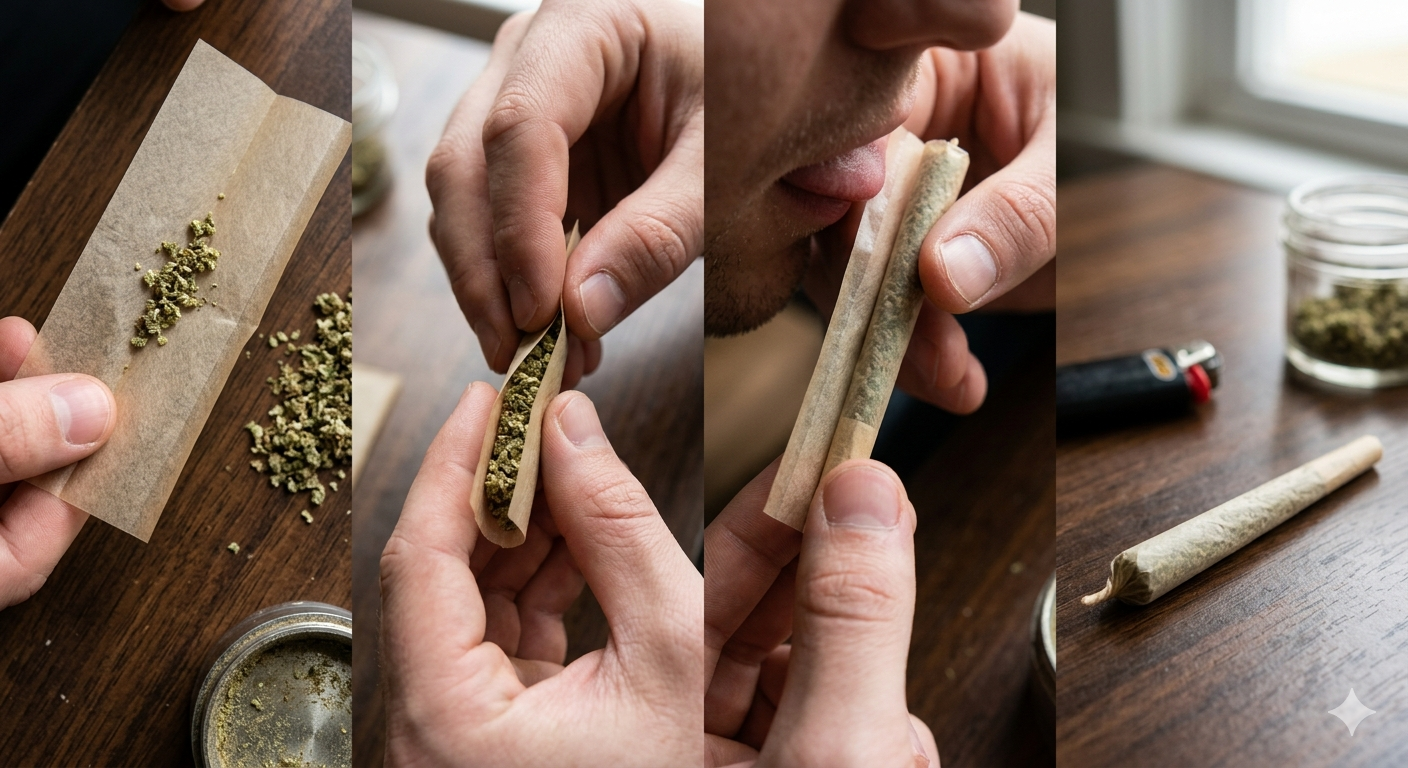
Rolling a joint without a filter is a traditional method that many cannabis enthusiasts still prefer today. While filters (also called crutches or tips) can provide structure and improve airflow, some smokers enjoy the simplicity and classic feel of a filterless joint. If you’re new to rolling or simply want to learn the old-school technique, this guide will walk you through everything you need to know about how to roll a joint with papers without a filter.
What Is a Filterless Joint?
A filterless joint is a cannabis cigarette rolled using rolling papers without adding a cardboard tip or filter at either end. This style has been popular for decades and is often chosen by people who prefer a straightforward rolling process or want to maximize the available smoking material.
Many users believe that a filterless joint provides a stronger draw and a more traditional smoking experience.
Materials You Need
Before you begin, gather the following items:
- Rolling papers
- Ground cannabis
- Grinder (optional but recommended)
- Rolling tray or clean surface
- Lighter
Having properly prepared materials makes the rolling process much easier and helps create a smoother-smoking joint.
Step 1: Grind Your Cannabis
The first step is preparing your cannabis. Using a grinder helps create an even consistency, which is important for a joint that burns evenly.
Avoid:
- Large chunks that create air pockets
- Powder-fine material that restricts airflow
A medium grind typically produces the best results for rolling papers.
Step 2: Prepare the Rolling Paper
Take a rolling paper and hold it with the adhesive strip facing upward and toward you.
The paper should form a slight curve in your fingers. This curve will help hold the cannabis while you shape the joint.
Choose a paper size based on your preference:
- Single wide papers for smaller joints
- 1¼ size papers for standard joints
- King-size papers for larger joints
Step 3: Fill the Paper
Spread the ground cannabis evenly along the center crease of the paper.
Because you’re not using a filter, pay extra attention to the amount placed at the ends.
For best results:
- Place slightly less cannabis near the mouth end
- Place a little more toward the burning end
This creates a natural cone shape and makes the joint easier to smoke.
Step 4: Shape the Joint
Using your thumbs and index fingers, gently roll the paper back and forth.
This motion helps distribute the cannabis evenly and creates the cylindrical shape of the joint.
Take your time during this stage. Proper shaping is one of the most important factors in achieving:
- Even burning
- Smooth airflow
- Better structural stability
If the cannabis is unevenly distributed, the joint may canoe or burn irregularly.
Step 5: Tuck and Roll
Once the cannabis is shaped correctly, begin tucking the front edge of the paper around the material.
Start at one end and work your way across.
As you tuck:
- Roll the paper upward.
- Maintain gentle pressure.
- Keep the shape consistent.
This step often requires practice, especially for beginners.
Don’t worry if your first few attempts aren’t perfect. Rolling is a skill that improves over time.
Step 6: Seal the Joint
After the paper is nearly rolled, lick the adhesive strip lightly.
Press it down firmly to seal the joint.
Make sure the paper sticks evenly along the entire length.
A poorly sealed joint can unravel or create uneven burns during smoking.
Step 7: Pack the Open Ends
Since there is no filter, both ends remain open during the rolling process.
Use a small tool such as:
- A pen cap
- A packing stick
- A toothpick
Gently pack the cannabis from the open ends.
Packing helps:
- Improve airflow
- Prevent loose spots
- Create a slower, more consistent burn
Avoid packing too tightly, as this can make the joint difficult to draw.
Step 8: Twist the Burning End
After packing the joint, twist the end that will be lit.
This keeps the cannabis from falling out and makes transportation easier.
The mouth end should remain open.
Before lighting, gently squeeze the joint to check for consistency.
Common Mistakes to Avoid
Rolling Too Tight
One of the most common beginner mistakes is rolling too tightly.
A tight joint restricts airflow and can be difficult to smoke.
Signs of a tight roll include:
- Hard draws
- Uneven burning
- Frequent relighting
Rolling Too Loose
A loose joint can:
- Burn too quickly
- Lose cannabis through the ends
- Collapse while smoking
Aim for a firm but flexible roll.
Uneven Distribution
Cannabis should be spread evenly throughout the paper.
Uneven filling often causes:
- Canoeing
- Side burns
- Poor airflow
Overpacking
Packing improves structure, but excessive packing reduces airflow.
The ideal joint allows air to pass through smoothly.
Benefits of Rolling Without a Filter
Many people enjoy filterless joints because they offer several advantages:
Simplicity
You don’t need extra materials such as cardboard tips.
Traditional Experience
Filterless joints represent one of the oldest and most traditional rolling methods.
Faster Preparation
Without creating or inserting a filter, the rolling process can be quicker.
Maximum Space
The entire paper can be used for filling rather than allocating space for a tip.
Drawbacks of Filterless Joints
While some people prefer them, filterless joints also have disadvantages.
Less Structural Support
Filters help maintain shape and stability.
Increased Resin Contact
Without a tip, resin may accumulate near the mouth end.
Material Entering the Mouth
Small particles can occasionally pass through during inhalation.
Harder for Beginners
Filters often make rolling easier by providing a stable anchor point.
Tips for Better Filterless Joint Rolling
If you want professional-looking results, follow these tips:
- Use fresh, high-quality rolling papers.
- Grind cannabis evenly.
- Practice shaping before sealing.
- Avoid overfilling the paper.
- Pack gently after rolling.
- Store papers in a dry location.
- Roll on a flat, clean surface.
Consistent practice is the key to improvement.
Frequently Asked Questions
Can You Roll a Joint Without a Filter?
Yes. Many smokers roll joints using only rolling papers and ground cannabis without any filter or tip.
Is a Filterless Joint Stronger?
A filterless joint may feel different because there is no tip between the smoker and the material. However, individual experiences vary.
Are Filterless Joints Harder to Roll?
For beginners, they can be slightly more difficult because there is no filter to provide structure during the rolling process.
What Papers Are Best for Filterless Joints?
Thin rolling papers made from hemp, rice, or natural fibers are commonly preferred because they burn evenly and add minimal flavor.
Conclusion
Learning how to roll a joint with papers without a filter is a valuable skill for anyone interested in traditional rolling techniques. By using quality rolling papers, evenly ground cannabis, and proper rolling methods, you can create a smooth, well-structured filterless joint that burns consistently. Whether you’re a beginner or an experienced roller, practice and patience are the keys to mastering this classic method. Following the steps outlined in this guide will help you achieve better results and improve your rolling technique over time.