
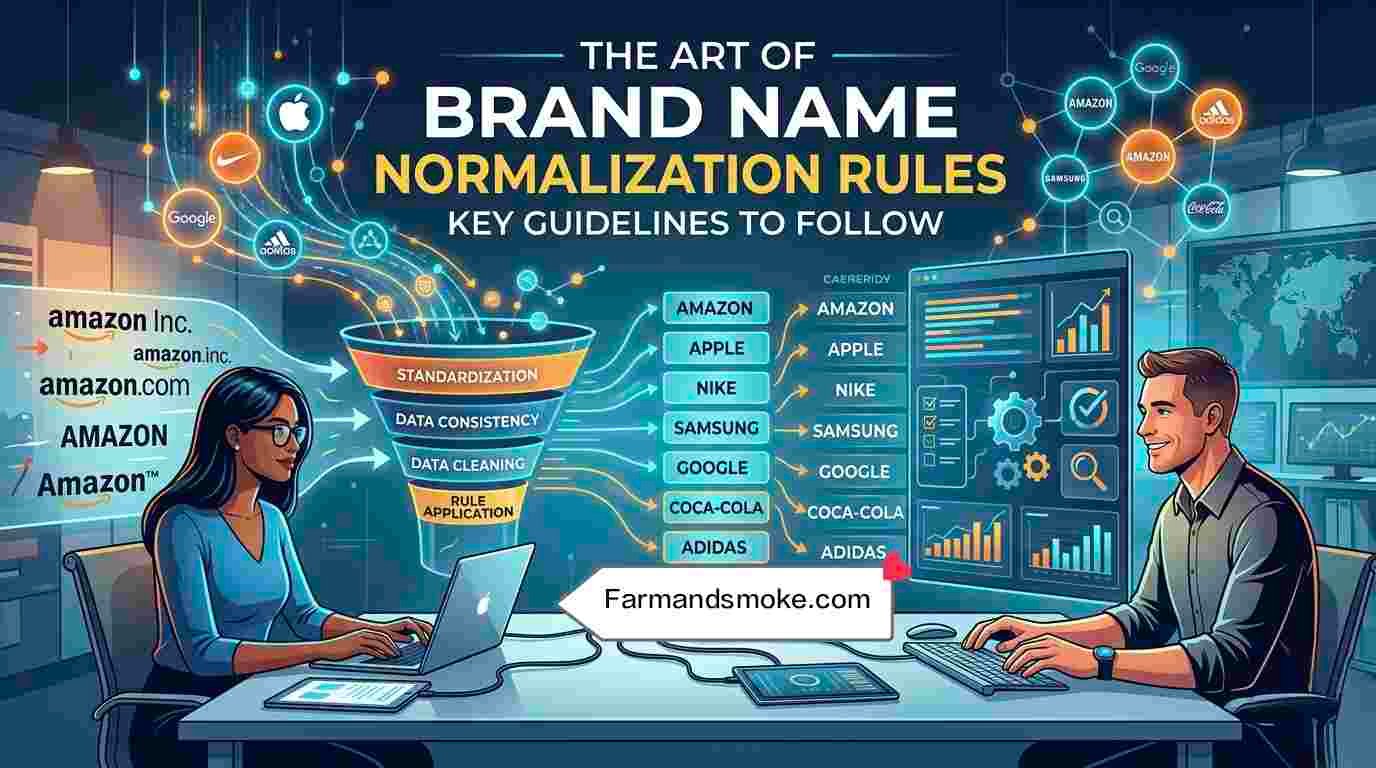
Navigating the world of brand names can feel like walking a tightrope. As businesses evolve, so do their identities, making it essential to adopt effective brand name normalization rules. These guidelines help create consistency and clarity in how company names are represented across various platforms. With the right approach, you can enhance trustworthiness and improve communication both internally and externally. Let’s explore the art behind brand name normalization and why it matters now more than ever.
The Art of Brand Name Normalization Rules: Key Guidelines to Follow
Brand name normalization rules streamline communication and foster brand integrity. By implementing these guidelines, businesses can minimize confusion, enhance clarity, and ensure consistency across all channels. This art form is crucial for building a recognizable and trustworthy brand identity.
Why Normalize Company Names
Normalizing company names ensures consistency across platforms. This enhances clarity in communication, reduces confusion among customers, and strengthens brand identity. A unified approach promotes trust and makes it easier for stakeholders to recognize and engage with the company.
Importance of Brand and Company Name Normalization
Brand and company name normalization is crucial for consistency. It ensures that stakeholders can easily identify and trust a brand, leading to better communication, improved data accuracy, and enhanced customer experiences across various platforms.
Enhancing Trustworthiness in Leadership Reporting
Accurate brand name normalization fosters transparency in leadership reporting. When names are standardized, stakeholders can trust the integrity of data, leading to informed decisions and stronger relationships across teams and with external partners.
Essential Guidelines for Normalization
Establish clear definitions for brand names. Ensure consistency across platforms, from formal documents to social media. Create a reliable system that stakeholders can follow, fostering collaboration and minimizing confusion in communications about your brand.
Core Normalization Rules
Establish clear criteria for brand name consistency. Use standardized spelling, avoid abbreviations, and maintain uniform formats across all platforms. Ensure that variations are minimized to enhance recognition and trust while simplifying data management.
Designing Rules for Strategic Decisions
Strategic decisions benefit greatly from clear normalization rules. Establish guidelines that account for various brand interpretations and formats. This ensures consistency across platforms, enhances communication, and aids in making informed choices aligned with business objectives.
Measuring Leadership Impact
Measuring leadership impact involves evaluating how effectively brand name normalization rules are applied. Metrics may include stakeholder feedback, decision-making efficiency, and overall trust in communication. These factors guide adjustments to enhance organizational alignment and culture.
Challenges and Pitfalls to Avoid
Normalization can be tricky. Inconsistent naming conventions, overlooking regional variations, and failing to involve stakeholders often lead to confusion. Avoiding these pitfalls ensures smoother implementation and clearer communication across all levels of your organization.
Implementing Normalization Rules
Successful implementation of normalization rules requires a strategic approach. Start by integrating them into existing systems, ensuring staff understands their importance. Regularly review and adjust processes to maintain effectiveness and adapt to evolving business needs.
Extracting Domain/Company Names
Extracting domain and company names involves identifying the core elements that define a brand’s identity. This process requires attention to detail, ensuring accuracy while capturing variations for a comprehensive view of the business landscape.
Using Fuzzy Matching Rules
Fuzzy matching rules help identify similar brand names that may vary slightly in spelling or format. This technique ensures consistency, allowing businesses to recognize all variations and maintain accurate data across platforms without losing essential connections.
Setting up Standardization Techniques
Establish clear guidelines for standardization techniques. Focus on consistent formats for company names, abbreviations, and acronyms. This clarity helps ensure uniformity across all platforms and communications, enhancing recognition and reducing confusion among stakeholders and customers alike.
Embedding Normalization into Daily Practices
Integrating brand name normalization into daily practices ensures consistency and accuracy. Encourage teams to adopt standardized naming conventions, regularly review data entries, and provide training on best practices for seamless implementation across all levels of the organization.
Real-World Applications
Brand name normalization rules enhance clarity and consistency across various sectors. Companies effectively manage name variations, streamline operations, prepare for interviews, and improve customer interactions. This ensures a seamless experience that builds stronger relationships with clients and stakeholders.
Company Name Variations and Mapping
Brands often have multiple variations in their names, from abbreviations to misspellings. Mapping these differences helps create a comprehensive view of the brand’s identity, ensuring consistency across all platforms and enhancing recognition among customers.
Improving Downstream Operations
Effective brand name normalization enhances downstream operations. By ensuring consistent naming, businesses reduce confusion and errors in data processing. Streamlined communication across teams leads to improved collaboration, making it easier to deliver products and services efficiently.
Interview Preparation and Professional Communication
Preparation for interviews requires clarity in communication. Emphasize consistency in company names and roles, ensuring familiarity with the brand’s identity. This practice not only boosts confidence but enhances professionalism during discussions with potential employers or partners.
Enhancing Customer Experience
A consistent brand name enhances customer recognition. When customers encounter familiar names across platforms, their trust increases. This seamless experience encourages loyalty and positive interactions, ultimately driving satisfaction and repeat business for companies committed to normalization practices.
Best Practices and Tools
Implementing sustainable normalization practices involves using reliable tools. Choose software that automates data cleaning while allowing manual review. Strike a balance to ensure accuracy, avoiding mistakes from over-aggressive matching or missed nuances in brand names.
Implementing Sustainable Normalization Practices
Sustainable normalization practices require ongoing evaluation. Regularly review and update your guidelines to adapt to changes in industry trends. Engage teams across departments for insights, ensuring consistency while allowing flexibility in application as needed for growth and innovation.
Automation vs. Manual Review
Automation offers speed and efficiency, while manual review provides a human touch and nuanced understanding. Balancing both approaches can enhance accuracy in brand name normalization, ensuring consistency without sacrificing quality or attention to detail.
Avoiding Mistakes and Over-Aggressive Matching
Careful attention is crucial when applying brand name normalization rules. Overly aggressive matching can lead to misidentification, creating confusion. Ensure that your approach balances thoroughness with accuracy to maintain integrity in data handling and prevent errors.
Conclusion
Brand name normalization is essential for fostering trust and consistency. By prioritizing these rules, businesses can enhance data quality, improve customer interactions, and streamline operations across various channels. Embracing this approach will yield long-term benefits.
Implications of Brand Name Normalization
Brand name normalization fosters consistency across platforms, enhancing recognition. It reduces confusion among consumers and stakeholders, ultimately leading to better communication. Clear and unified naming practices strengthen brand identity in a competitive marketplace.
Long-Term Strategies for Consistent Data Quality
Long-term strategies for consistent data quality rely on a proactive approach to brand name normalization rules. Regular audits and updates are essential, ensuring that your data remains accurate over time. Engaging stakeholders throughout the process fosters collaboration and adherence to best practices.
Investing in training programs equips teams with the knowledge needed to maintain standardized naming conventions. Automating workflows can streamline processes while reducing human error.
Fostering a culture of continuous improvement will enhance data integrity. Prioritizing these strategies lays the groundwork for sustainable success in brand management and operational efficiency.
 alirza54304@gmail.com