

Introduction
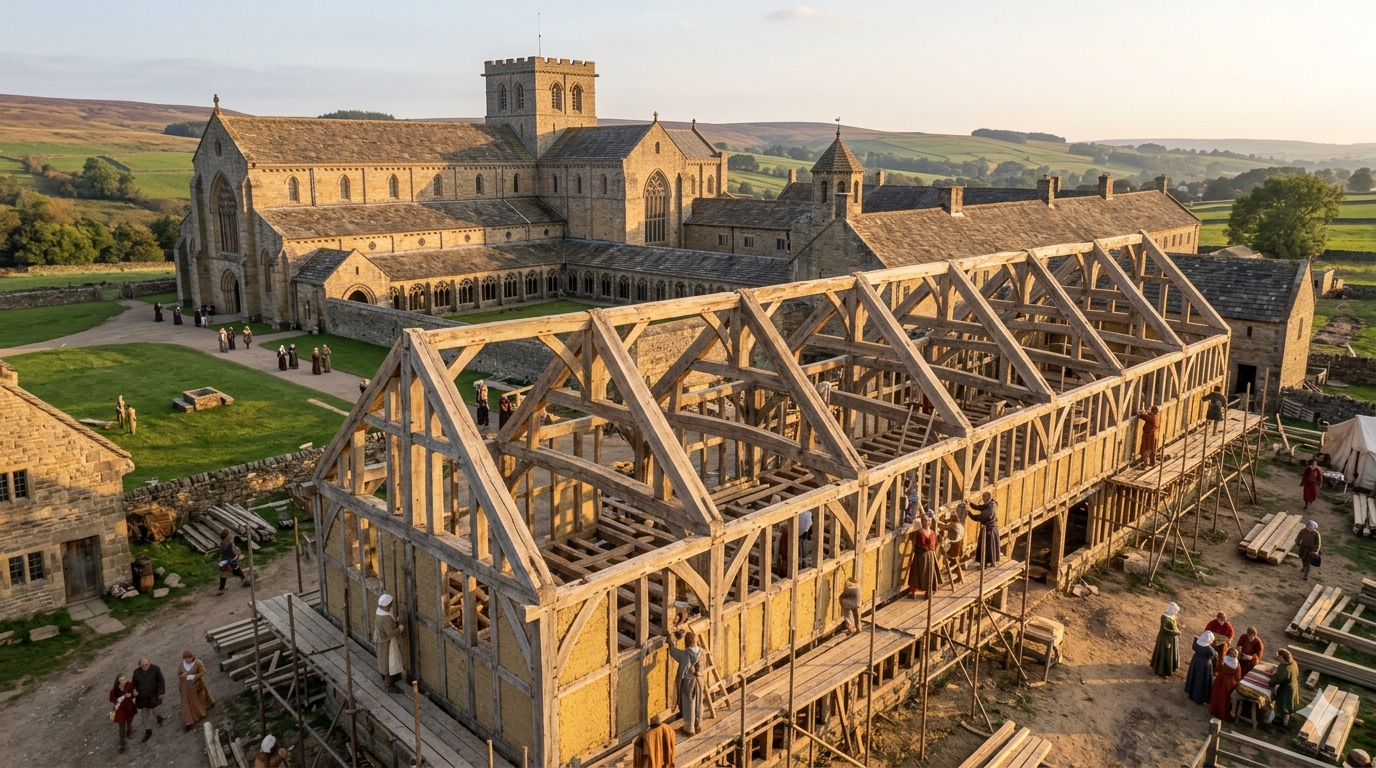
The Post and Beam Construction Cloth Hall Lancashire Religious House represents an important part of England’s architectural and cultural heritage. Lancashire, known for its rich textile history and historic religious buildings, showcases remarkable examples of traditional post and beam construction techniques. These structures reflect centuries of craftsmanship, economic development, and religious significance that helped shape the region’s identity.
Post and beam construction was widely used throughout Lancashire due to its strength, durability, and ability to create large open spaces. Cloth halls served as vital centers for the textile trade, while religious houses played essential roles in spiritual and community life. Together, these buildings demonstrate how architecture supported both economic prosperity and religious devotion during different historical periods.
This article explores the history, features, significance, and preservation of post and beam construction in Lancashire cloth halls and religious houses.
What Is Post and Beam Construction?
Post and beam construction is a traditional building method that uses large vertical posts and horizontal beams to create a structural framework. Unlike modern construction methods that rely heavily on load-bearing walls, post and beam structures distribute weight through a skeleton-like frame.
Key Characteristics of Post and Beam Construction
- Large timber posts and beams
- Strong structural integrity
- Open interior spaces
- Durable and long-lasting design
- Traditional craftsmanship techniques
- Aesthetic wooden framework
This construction method has been used for centuries across Europe and became especially popular in medieval England.
Historical Development of Post and Beam Construction in Lancashire
Lancashire has a long history of timber-framed architecture. During the medieval and early modern periods, abundant local timber resources made post and beam construction a practical choice.
Medieval Origins
The earliest examples of post and beam buildings in Lancashire date back to the Middle Ages. Skilled craftsmen used hand-hewn oak timbers to create strong frameworks capable of lasting for generations.
These structures were commonly used for:
- Manor houses
- Farm buildings
- Market halls
- Religious houses
- Community gathering spaces
The durability of these buildings explains why many historic examples still survive today.
The Importance of Cloth Halls in Lancashire
A cloth hall was a commercial building where textile merchants gathered to buy, sell, and display cloth products. Lancashire’s textile industry played a major role in England’s economic growth.
Role of Cloth Halls
Cloth halls served several important functions:
- Trading centers for textile merchants
- Meeting places for buyers and sellers
- Storage facilities for cloth products
- Economic hubs supporting local communities
Because cloth halls needed large open interiors to accommodate traders and merchandise, post and beam construction was an ideal architectural solution.
Architectural Features of Lancashire Cloth Halls
Typical cloth halls included:
- Large open floor plans
- Heavy timber framing
- High ceilings
- Wide entryways
- Durable construction materials
- Natural ventilation systems
The flexibility of post and beam design allowed cloth halls to accommodate growing trade activities efficiently.
Religious Houses in Lancashire
Religious houses were among the most influential institutions in Lancashire’s history. These buildings included:
- Monasteries
- Priories
- Abbeys
- Convents
- Chapels
Many religious structures incorporated post and beam construction techniques, especially in ancillary buildings and community spaces.
Functions of Religious Houses
Religious houses served multiple purposes:
- Worship and prayer
- Education
- Charity work
- Healthcare support
- Agricultural management
- Community leadership
Their influence extended far beyond religious activities and significantly shaped local society.
Why Post and Beam Construction Was Ideal for Religious Houses
Religious institutions often required large interior spaces for gatherings, ceremonies, and communal activities.
Benefits of Post and Beam Design
Strength and Stability
Massive timber beams provided exceptional structural support, allowing buildings to withstand centuries of use.
Spacious Interiors
The framework minimized the need for internal load-bearing walls, creating large open halls suitable for worship and community events.
Aesthetic Appeal
Exposed timber beams added beauty and craftsmanship, enhancing the spiritual atmosphere of religious buildings.
Adaptability
Buildings could be expanded or modified as community needs evolved.
These advantages made post and beam construction a preferred choice for many religious structures throughout Lancashire.
Architectural Features of Lancashire Religious Houses
Historic religious houses in Lancashire often display distinctive architectural characteristics.
Timber Framework
The exposed timber skeleton remains one of the most recognizable features. Skilled carpenters used traditional joinery techniques without relying heavily on metal fasteners.
Stone and Timber Combination
Many buildings combined timber frames with stone walls, creating structures that were both attractive and durable.
Large Gathering Halls
Communal spaces were designed to accommodate worshippers, monks, and visitors.
Decorative Craftsmanship
Intricate woodwork reflected the skill and dedication of medieval builders.
Steep Roof Designs
Steeply pitched roofs helped protect buildings from Lancashire’s wet climate.
Economic and Cultural Significance
Both cloth halls and religious houses played essential roles in Lancashire’s development.
Economic Contributions
Cloth halls supported:
- Textile production
- Regional trade
- Employment opportunities
- Economic growth
Religious houses contributed through:
- Agricultural production
- Land management
- Education
- Social welfare programs
Cultural Heritage
These buildings represent important examples of:
- Medieval architecture
- Traditional craftsmanship
- Community development
- Religious history
Their preservation helps modern generations understand Lancashire’s rich past.
Preservation of Historic Post and Beam Structures
Many historic buildings face challenges due to age, weather exposure, and changing land use.
Common Preservation Challenges
- Timber decay
- Moisture damage
- Structural movement
- Insect infestation
- Modern development pressures
Restoration Techniques
Conservation experts use specialized methods to preserve original features while maintaining structural safety.
These methods include:
- Timber replacement with matching materials
- Structural reinforcement
- Moisture control systems
- Traditional joinery restoration
- Historical documentation
Preservation efforts ensure that future generations can continue to appreciate these architectural treasures.
Modern Appreciation of Post and Beam Architecture
Interest in traditional post and beam construction has grown significantly in recent years.
Reasons for Renewed Popularity
- Historical value
- Sustainable building practices
- Natural aesthetics
- Exceptional durability
- Architectural uniqueness
Many architects draw inspiration from historic Lancashire structures when designing contemporary buildings.
Tourism and Educational Value
Historic cloth halls and religious houses attract visitors from around the world.
Educational Benefits
Visitors can learn about:
- Medieval construction methods
- Textile industry history
- Religious traditions
- Architectural evolution
- Local heritage
Tourism Impact
Heritage tourism contributes to local economies by supporting:
- Museums
- Guided tours
- Historic sites
- Cultural events
- Hospitality businesses
These attractions help preserve Lancashire’s cultural identity while generating economic benefits.
Conclusion
The Post and Beam Construction Cloth Hall Lancashire Religious House represents a remarkable intersection of architecture, commerce, and spirituality. Through strong timber frameworks, skilled craftsmanship, and thoughtful design, these buildings supported Lancashire’s textile industry and religious communities for centuries.
Their historical significance extends beyond their physical structures, offering valuable insights into medieval society, economic development, and architectural innovation. As preservation efforts continue, these iconic buildings remain enduring symbols of Lancashire’s rich cultural heritage.
Understanding the importance of post and beam construction in cloth halls and religious houses allows us to appreciate the craftsmanship, resilience, and historical legacy that continue to inspire architects, historians, and visitors today.
 EchoLinkers