

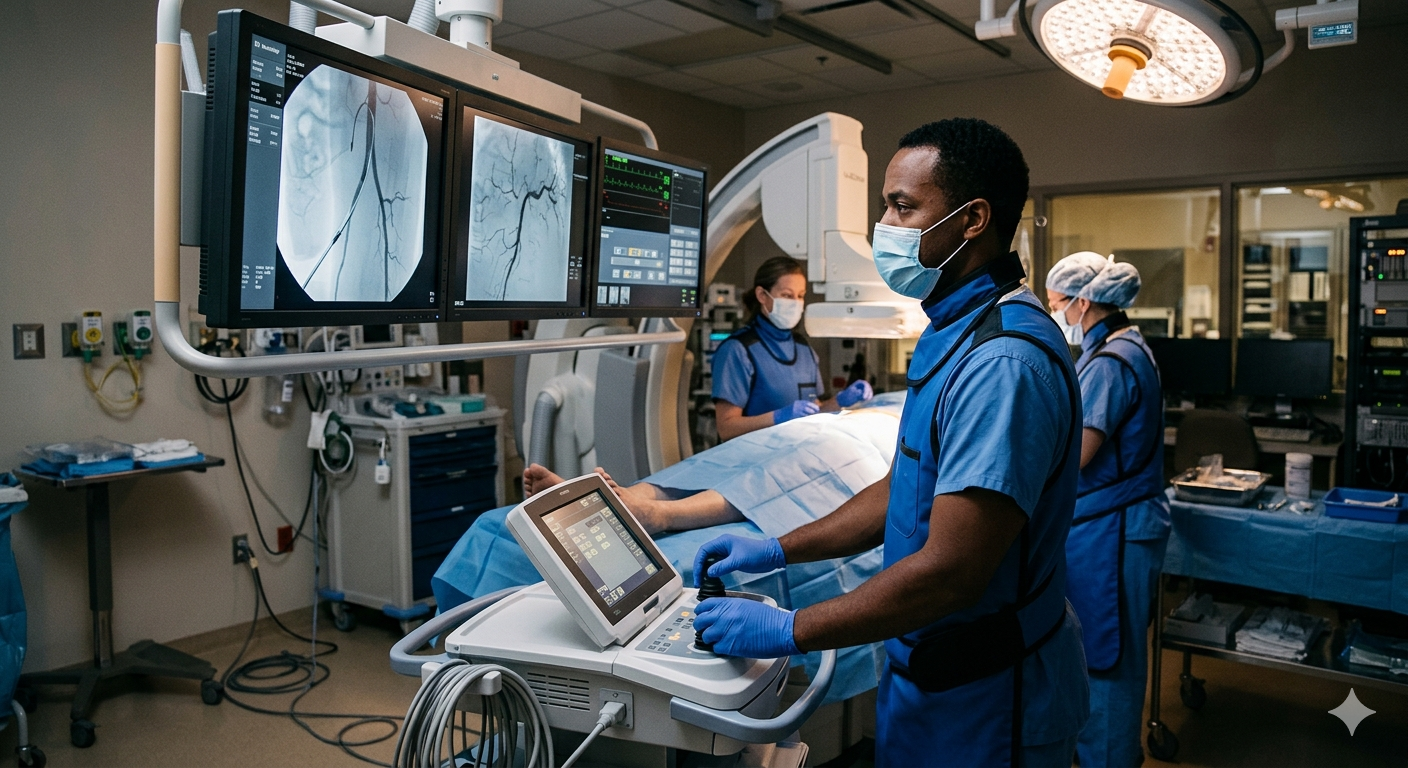
Are you fascinated by the world of medical imaging and minimally invasive procedures? If so, interventional radiology might be your calling. This innovative field blends cutting-edge technology with expert patient care, allowing for precise diagnosis and treatment without traditional surgery. As an interventional radiology tech, you’ll play a pivotal role in this exciting domain—working alongside skilled physicians to improve patient outcomes through advanced techniques. Let’s dive into what it takes to become a vital part of this dynamic healthcare team!
1. Overview of Interventional Radiology
Interventional radiology is a specialized area of medicine that uses imaging techniques to guide minimally invasive procedures. These methods include X-rays, CT scans, and ultrasounds, allowing doctors to visualize internal structures in real time.
By accessing blood vessels or organs through small incisions, interventional radiologists can diagnose and treat various conditions without the need for major surgery. This approach often results in less pain and faster recovery times for patients.
The field continues to evolve with advancements in technology and techniques, making it an exciting area of growth within healthcare that significantly impacts patient care.
2. Role of Interventional Radiology Techs
Interventional radiology techs play a critical role in the healthcare team. They assist physicians during minimally invasive procedures, ensuring everything runs smoothly. Their expertise enhances patient care and safety.
Techs are responsible for preparing equipment and maintaining sterile environments. They closely monitor patients throughout procedures, providing comfort and support while assessing vital signs.
In addition, they often educate patients about what to expect before, during, and after their treatment. This interaction builds trust and helps alleviate any anxiety patients might feel regarding their procedure. Engaging with individuals is an important part of creating a positive experience in interventional radiology.
3. Essential Tools Used in Interventional Radiology
Interventional radiology techs rely on several essential tools to perform their duties effectively. Imaging equipment such as fluoroscopy and ultrasound plays a vital role in visualizing internal structures during procedures. These imaging modalities help guide interventions with precision.
Catheters are another crucial tool, allowing for minimally invasive access to blood vessels or other organs. They come in various sizes and designs tailored for specific procedures, making them indispensable.
Contrast agents enhance images obtained from the scans, providing clearer views of the targeted areas. This combination of tools ensures that interventional radiology techs can achieve optimal outcomes safely and efficiently.
4. Techniques Employed by Interventional Radiology Techs
Interventional radiology techs employ a variety of techniques to assist in minimally invasive procedures. One common method is image-guided biopsies, allowing precise tissue sampling with minimal discomfort.
Another vital technique includes catheter placement. This involves guiding flexible tubes through blood vessels to deliver treatments directly where needed, such as for draining abscesses or administering medications.
Techs also support embolization procedures, which block specific blood vessels to reduce bleeding or tumors’ blood supply. Mastery of these techniques enhances patient care and outcomes while ensuring efficient operations in the interventional radiology suite.
5. Training and Education Requirements
Aspiring interventional radiology techs typically need an associate degree in radiologic technology or a related field. Many programs include hands-on training, which is essential for gaining practical skills.
Certification through the American Registry of Radiologic Technologists (ARRT) can enhance job prospects and demonstrate proficiency.
Some employers may prefer candidates with additional specialized training in interventional radiology procedures. Continuing education helps professionals stay current with advancements in technology and techniques, ensuring high standards of patient care are always met.
6. Career Opportunities and Job Outlook in Interventional Radiology Techs
The demand for interventional radiology techs is on the rise. As medical imaging continues to advance, healthcare facilities increasingly seek skilled professionals in this specialized field. Job openings are projected to grow significantly over the next decade.
Interventional radiology techs can find opportunities in hospitals, outpatient clinics, and diagnostic imaging centers. With a focus on patient care and cutting-edge technology, these roles offer dynamic work environments.
Career advancement is also possible through further education and certifications. Professionals may choose to specialize in areas like vascular interventional radiology or cardiac imaging, enhancing their expertise and marketability.
Frequently Asked Questions
Many people wonder what an interventional radiology tech does on a daily basis. These professionals assist physicians during minimally invasive procedures, using advanced imaging techniques to guide instruments within the body.
Another common question is about certification requirements. Most employers prefer candidates with specific certifications, such as those from ARRT or similar organizations, which demonstrate knowledge and proficiency in interventional radiology.
Job prospects in this field are also frequently discussed. With technological advancements and growing healthcare demands, interventional radiology techs can expect strong job growth and diverse career opportunities across various medical settings.
Quick Facts
Interventional radiology techs play a vital role in modern medicine. They assist physicians during complex procedures, ensuring patient safety and comfort. This specialty combines imaging technology with minimally invasive techniques.
Certification is essential for interventional radiology techs, often requiring completion of an accredited program. Many employers prefer candidates with additional certifications from recognized organizations, enhancing job prospects.
Job growth in this field is promising, driven by advancements in medical imaging and increased demand for non-invasive treatments. As healthcare evolves, interventional radiology techs will remain crucial to delivering high-quality patient care through innovative techniques and technologies.
Overview of Interventional Radiology
Interventional radiology is a specialized field that uses imaging techniques to guide minimally invasive procedures. These procedures can diagnose and treat various medical conditions, often reducing the need for traditional surgery.
Radiologists utilize tools like X-rays, CT scans, and ultrasounds during interventions. This precision allows for targeted treatments with lower risks and quicker recovery times.
As technology advances, interventional radiology continues to evolve. New techniques offer innovative solutions for complex health problems while prioritizing patient safety and comfort throughout the process.
Essential Echo Tech Requirements
To become an interventional radiology tech, specific educational and certification requirements must be met. Aspiring professionals typically need to complete an associate or bachelor’s degree in radiologic technology or a related field. This foundational education provides essential knowledge of anatomy, imaging techniques, and patient care.
Certification from recognized bodies like the American Registry of Radiologic Technologists (ARRT) is crucial for career advancement. Many employers prefer candidates with specialized certifications in vascular interventional radiography.
Hands-on experience through clinical internships offers valuable insights into the daily operations within interventional radiology departments. This practical training equips techs with skills necessary for success in this dynamic healthcare environment.
Company
Interventional radiology techs play a crucial role in the healthcare system. They are skilled professionals who support interventional radiologists in diagnosis and treatment procedures. Working alongside doctors, these techs ensure that imaging equipment operates smoothly, allowing for accurate results.
Many companies specialize in providing medical services where interventional radiology is a focal point. Hospitals and clinics rely on their expertise to offer innovative solutions for various health conditions. The demand for trained interventional radiology techs continues to grow as technology evolves and more minimally invasive options become available.
With an eye toward future advancements, aspiring interventional radiology techs can look forward to a rewarding career filled with opportunities to impact patient care positively.
 EchoLinkers